
 English
 العربية
 Español
 Français
 русский
 Português
 Tiếng Việt
 Melayu
 Türkçe
 Indonesia
Recently, frequent typhoons and extreme heavy rainfall have pushed river water levels to record highs in many regions, putting urban flood-control systems and water conservancy hubs to severe natural tests. Buffeted by violent storms and surging flood peaks, dyke safety bears a direct bearing on people’s lives and property.
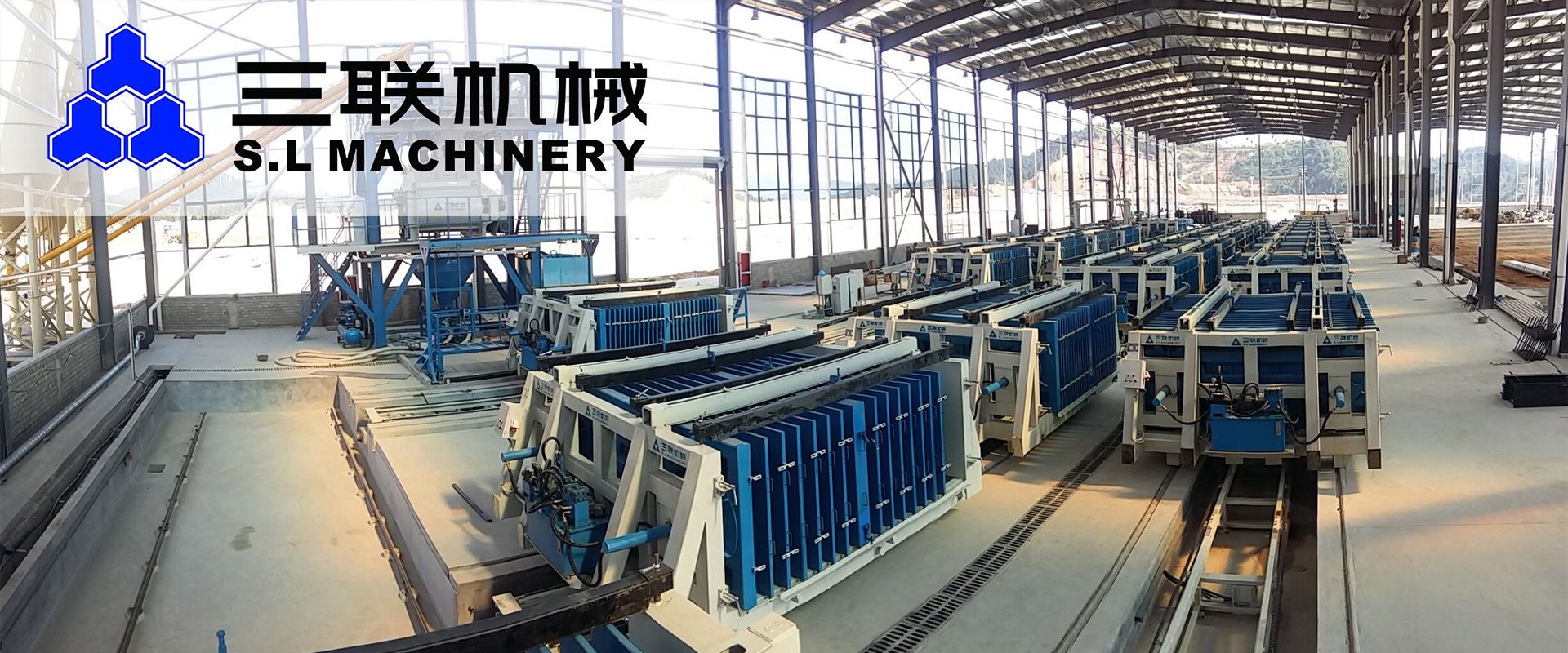
In modern water conservancy projects, hydraulic bricks (including slope-protection blocks, retaining-wall blocks, wave-resistant stones, etc.) are core building materials to resist water erosion and reinforce embankments. However, blocks of ordinary quality can hardly survive such harsh hydrological environments. Premium-grade hydraulic bricks that stand up to torrential rains and flood peaks require extremely stringent forming processes, whose foundation lies in highly precise and durable forming molds. Drawing on profound technical expertise, Quanzhou S.L Machinery leverages high-standard mold-making technologies to build an invisible “steel armor” for water conservancy dykes.
Extreme Pressure Resistance: Building a High-Density Anti-water Barrier
Dyke damage caused by torrential rains and flood peaks mostly originates from water infiltration. When soil is fully saturated, dykes endure enormous lateral water pressure. If slope-protection blocks are insufficiently dense, turbulent water will seep into micro-gaps inside the bricks, leading to brick cracking and collapse under freeze-thaw cycles or sustained high pressure.
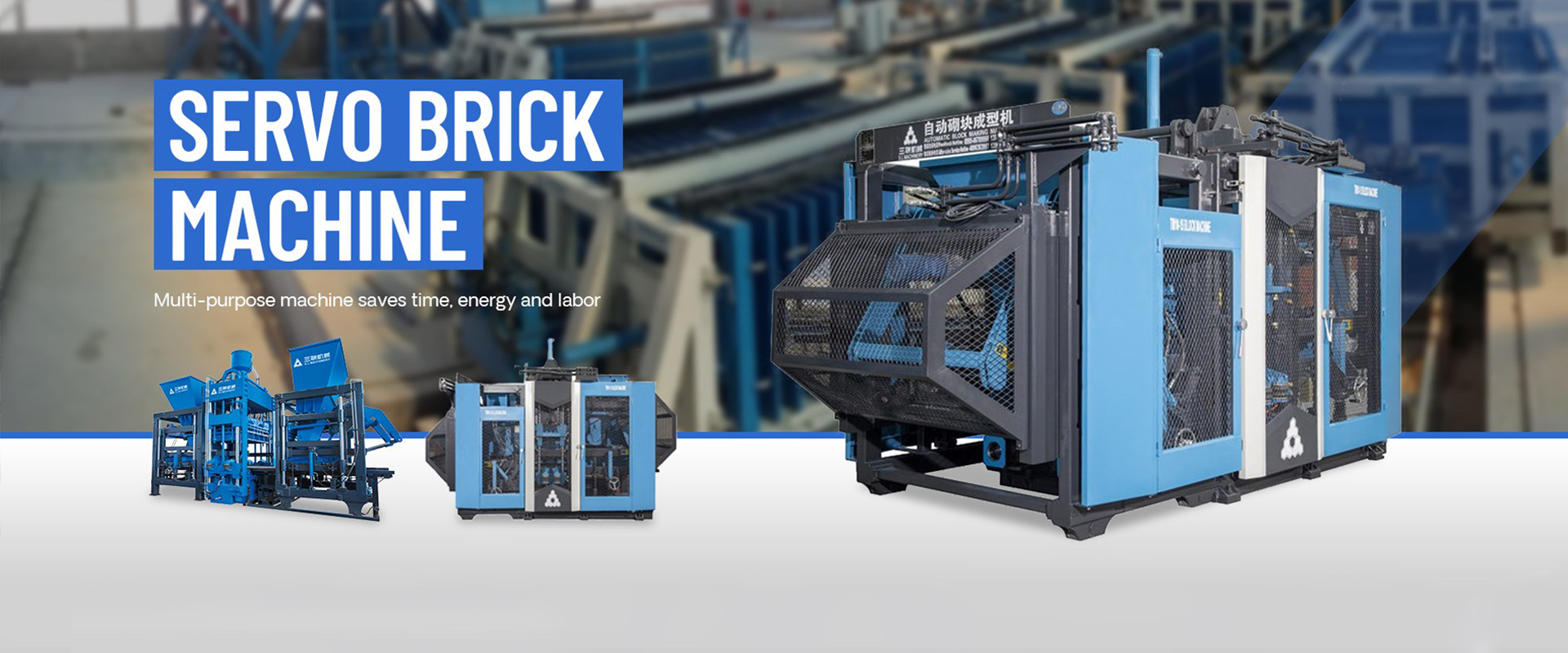
To produce hydraulic bricks featuring high density and low water absorption, brick making machines need to deliver high-frequency vibration and powerful forming pressure, which calls for molds with excellent compression resistance and anti-fatigue performance. Adopting scientific CAE mechanical simulation analysis, S.L Machinery optimizes the structure of mold cavities and pressing heads. When under extreme pressure, the molds effectively disperse stress concentration. They resist deformation and cracking while perfectly transferring forming pressure to raw materials, so as to produce compact and solid hydraulic bricks, just like putting an impenetrable armor on river embankments.

Rugged Materials: Standing up to Heavy Abrasion from Large-size Aggregates
Hydraulic engineering bricks are generally large-sized. To attain optimal compressive strength and anti-skid performance, plenty of coarse and hard aggregates are mixed into raw materials. During forming, these coarse aggregates create fierce friction and lateral expansion force against mold inner walls. Low-quality molds will easily suffer dimensional distortion under such heavy abrasion, and the resulting blocks cannot be tightly assembled.
To tackle this pain point, S.L Machinery gives full play to its profound know-how in material science. We select premium wear-resistant alloy steel, together with advanced carburizing-quenching and deep-cryogenic heat-treatment technologies. Molds processed through these sophisticated procedures achieve greatly enhanced surface hardness while maintaining outstanding core toughness. Thanks to this “hard exterior yet tough interior” characteristic, S.L Machinery molds boast superior wear resistance. Even on long-cycle, high-load hydraulic brick production lines, they maintain consistent dimensional accuracy, ensuring every single brick can fit tightly when laid on dykes.

Precision Forming: Guaranteeing Safety for Complex Hydraulic Structures
Many hydraulic bricks applied in modern flood-control projects are designed with sophisticated interlocking structures or ecological holes. Tiny dimensional deviations may cause interlocking failure, resulting in large-area falling-off of slope protection under flood scouring.
Quanzhou S.L Machinery adopts high-end CNC machining centers and micron-level wire-cutting equipment to conduct high-precision cutting and milling on mold geometric edges. It ensures smooth fit between pressing heads and mold cavities, greatly lowering risks of brick cracking and material sticking during demolding. High-precision molds deliver sharp brick edges and intact interlocking structures. Piece by piece, slope-protection bricks lock tightly with one another amid typhoons and heavy rains, forming an integrated surface to withstand the tearing force of flood peaks.
Typhoons and heavy rains serve as a closed-book test for national infrastructure, and high-quality building materials are what enable us to score high marks.
Always respectful of engineering safety, S.L Machinery devotes itself to forging cold steel into powerful equipment that safeguards river security. We will keep applying stringent manufacturing standards to empower brick-making enterprises across the globe to efficiently produce high-strength, high-standard hydraulic building materials. Hand in hand, we build an indestructible safety line for urban flood control and water conservancy development.


CONTACT
 +86-18859963776
 +86-595-86786132
 allen@sl-machine.com
Copyright © 2024 QUANZHOU CITY SANLIAN MACHINERY MANUFACTURE CO., LTD. All Rights Reserved.