
 English
 العربية
 Español
 Français
 русский
 Português
 Tiếng Việt
 Melayu
 Türkçe
 Indonesia
In traditional water conservancy levee and river channel regulation projects, laying slope protection bricks is an absolute "grunt work." Workers not only have to align the bricks piece by piece but also need to use a large amount of cement mortar for pointing and filling. This process is not only inefficient, but the hard yet inflexible mortar joints are extremely prone to cracking when facing the scouring of torrential floods during the flood season. Once the bottom soil is hollowed out by the water flow, the entire slope protection faces the risk of a large-scale collapse.

Is there a more efficient and safer solution?
Modern water conservancy construction has introduced a new type of building material full of Eastern engineering wisdom—interlocking slope protection bricks. It completely abandons cement mortar and relies solely on the physical structure of the bricks themselves to firmly "lock" together into a solid whole on the levee!
The "Mortise and Tenon" Wisdom in Water Conservancy Engineering
If you observe an interlocking brick closely, you will find its edges are covered with complex concave-convex curves and interlocking tentacles. During paving, they interlock with each other like a puzzle, forming an extremely stable physical interlocking structure. This design, where "a slight move affects the whole body," can quickly distribute the impact force to dozens of surrounding bricks when subjected to strong waves or water flows. At the same time, the absence of rigid cement bonding preserves a tiny space for flexible movement, allowing it to perfectly adapt to the slight settlement of the foundation, truly achieving a state that is "scattered in form but cohesive in spirit."
How High is the Manufacturing Threshold?
Irregular edges pose an extremely rigorous test for the underlying production equipment of building material factories. On one hand, there is the "dead corner" of material distribution; ordinary equipment can hardly fill the tortuous mold cavities evenly with slightly viscous concrete. On the other hand, there is the "life or death moment" of demolding; at the moment the machine lifts to demold, even a millimeter of lateral friction or shaking will damage the newly formed complex tentacles, making seamless on-site assembly impossible.
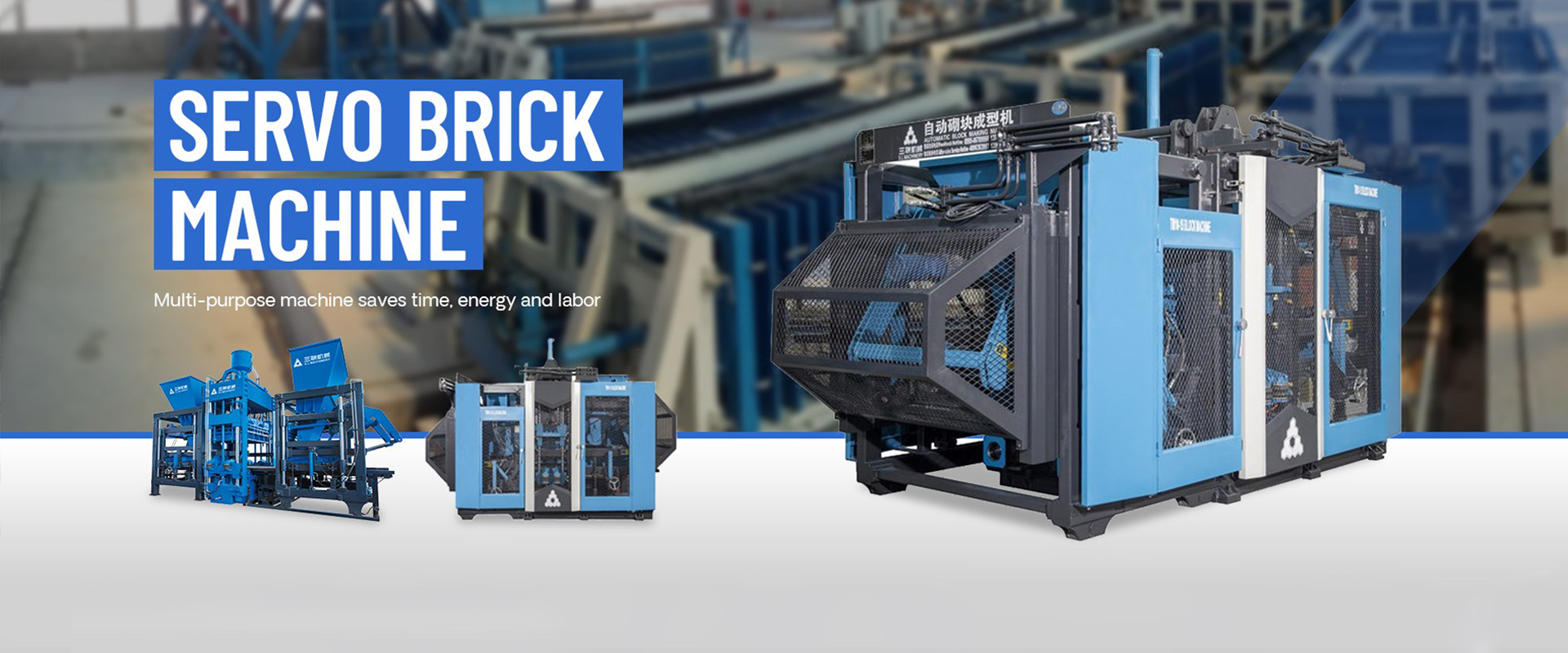
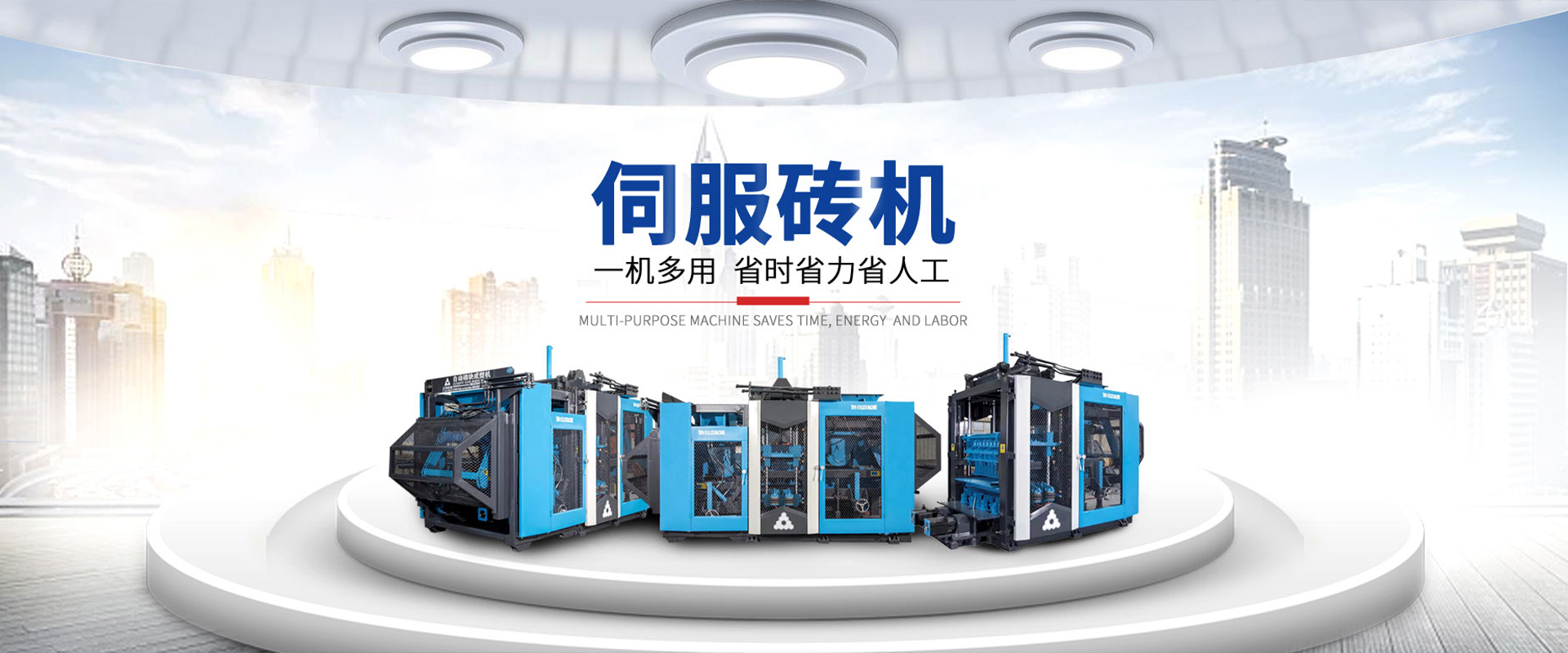
S.L Machinery: Hardcore Electromechanical Synergy for Precise "Micro-engraving"
To manufacture this special brick quickly and well relies on electromechanical control precision at the micrometer level! Quanzhou S.L Machinery firmly grasps this process with its hardcore flexible intelligent manufacturing technology:

1.Intelligent Compulsory Feeding: The multi-link compulsory feeding system operates at high speed, evenly "squeezing" concrete into the tortuous cavities, ensuring the mortise-and-tenon base has no dead corners.
2.Servo High-Frequency Vibration Pressing: Directional excitation instantly breaks the surface tension of the materials, allowing the concrete to densely interlock. The pressed tentacles are tough enough to withstand floods.
3.Vertical Smooth Demolding: The heavy-duty rigid frame and ultra-long precision guide sleeves ensure the demolding trajectory is a highly vertical straight line, achieving an almost "zero lateral friction" smooth separation.
4.Fully Automatic Smooth Transfer: The intelligent curing system transfers green bricks into the three-dimensional curing kiln with zero bumping, completely eliminating the mechanical hidden damage caused by traditional handling.
From time-consuming cement pointing to efficient and stable physical interlocking, the iteration of water conservancy technology cannot be separated from the underlying support of high-end intelligent manufacturing. S.L Machinery uses solid industrial intelligent manufacturing to forge an indestructible ecological armor for rivers and levees!
In the flood control levee or river regulation projects you participate in, which form of slope protection solution is mainly adopted currently? Have you encountered any headache-inducing bottlenecks regarding construction efficiency and later maintenance? Feel free to leave a comment and discuss!


CONTACT
 +86-18859963776
 +86-595-86786132
 allen@sl-machine.com
Copyright © 2024 QUANZHOU CITY SANLIAN MACHINERY MANUFACTURE CO., LTD. All Rights Reserved.