
 English
 العربية
 Español
 Français
 русский
 Português
 Tiếng Việt
 Melayu
 Türkçe
 Indonesia
As global water environment governance and dredging projects accelerate, the proper disposal of massive volumes of river and lake silt has become a major challenge in urban ecological construction. Traditional landfill methods not only incur high transportation costs but also carry the risk of secondary groundwater contamination. Under the broader trend of the circular economy, converting silt—which enjoys environmental treatment subsidies—into high-value-added ecological building materials is emerging as a highly promising new profit growth point for the building materials industry.
However, as a typical non-standard solid waste, silt's extreme physical characteristics pose stringent technical challenges to the underlying forming equipment.

Overcoming the Physical Limits of Non-Standard Materials — Directly converting river and lake silt into high-standard building materials involves technical pain points unmatched by conventional materials:
Extremely high moisture content and viscosity: Even after front-end filter pressing and dewatering, silt retains extremely high moisture and strong viscosity. This readily causes the material to collapse within the mold and fail to form, and leads to severe sticking and operational blockage in the hopper and mixing equipment.
Inherently absent physical framework: Silt is primarily composed of ultra-fine clay particles and organic matter, lacking the hard supporting skeleton of natural river sand or crushed stone. Improper proportion control or outdated pressing processes will cause finished products to severely pulverize after drying, failing to pass the compressive strength tests for municipal building materials.
Deep Electromechanical Synergy, Reshaping the Vitality of Ecological Building Materials — Faced with complex materials as difficult to tame as silt, S.L Machinery relies on its heavy equipment manufacturing heritage to steadily convert "ecological burdens" into high-quality building products through full-chain electromechanical synergy and microscopic physical reconstruction:
Multi-Source Solid Waste Synergy, Reconstructing the Mechanical Skeleton: S.L Machinery's high-precision batching system supports independent weighing in multiple bins, enabling scientific "multi-waste synergy" by combining silt with recycled aggregates from crushed construction solid waste and industrial slag. The hard recycled aggregates build the core compressive skeleton of the product, while the viscous silt acts as a microscopic filler. This "treating waste with waste" proportioning not only thoroughly resolves the structural deficiencies of silt but also substantially reduces dependence on natural sand and gravel.
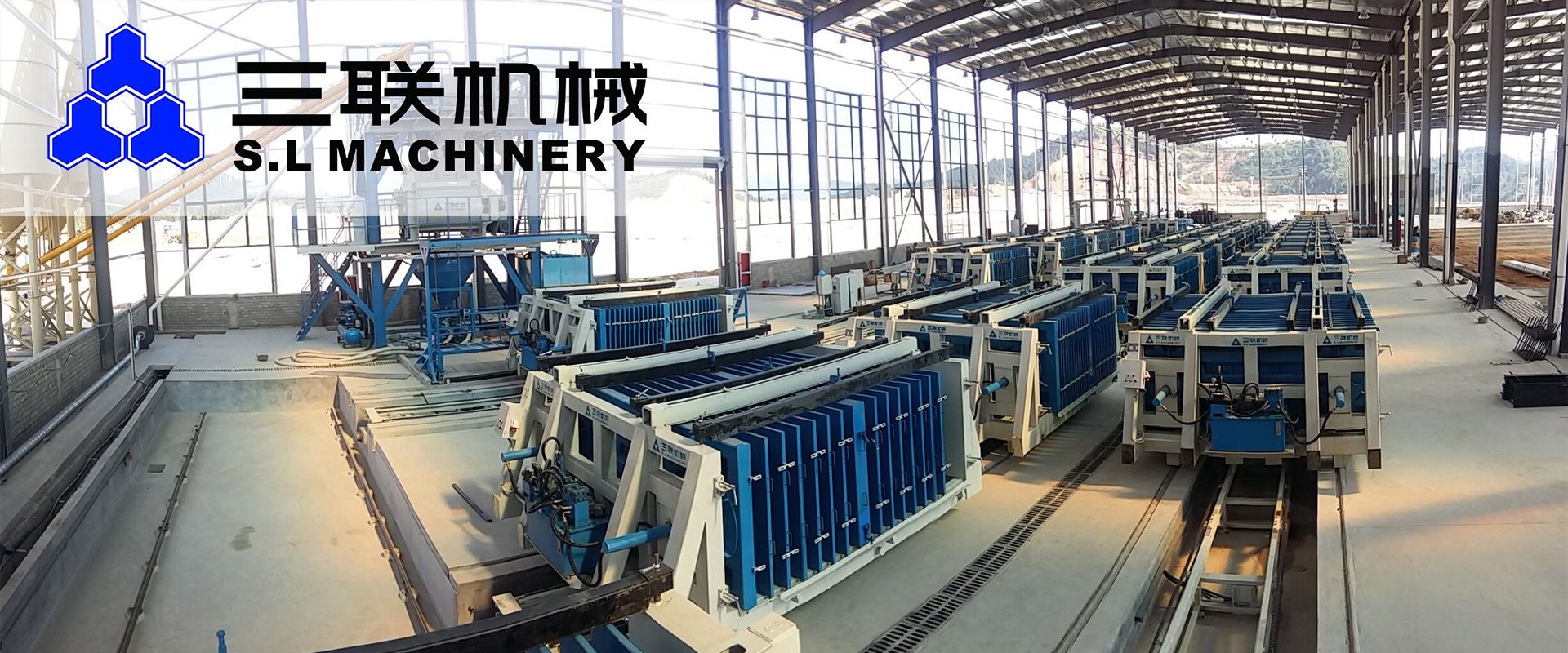
Powerful Shear Wall-Breaking, Achieving Deep Homogenization: Targeting the pain point of silt being highly prone to sticking and agglomeration, the S.L production line is equipped with a planetary forced mixing system featuring strong shear force. Driven by high-torque motors, the high-speed operation of complex trajectories forcibly tears apart viscous mud clumps, deeply and uniformly coating them with coarse and fine aggregates and cement paste, ensuring high consistency of physical indicators for finished products of the same batch.
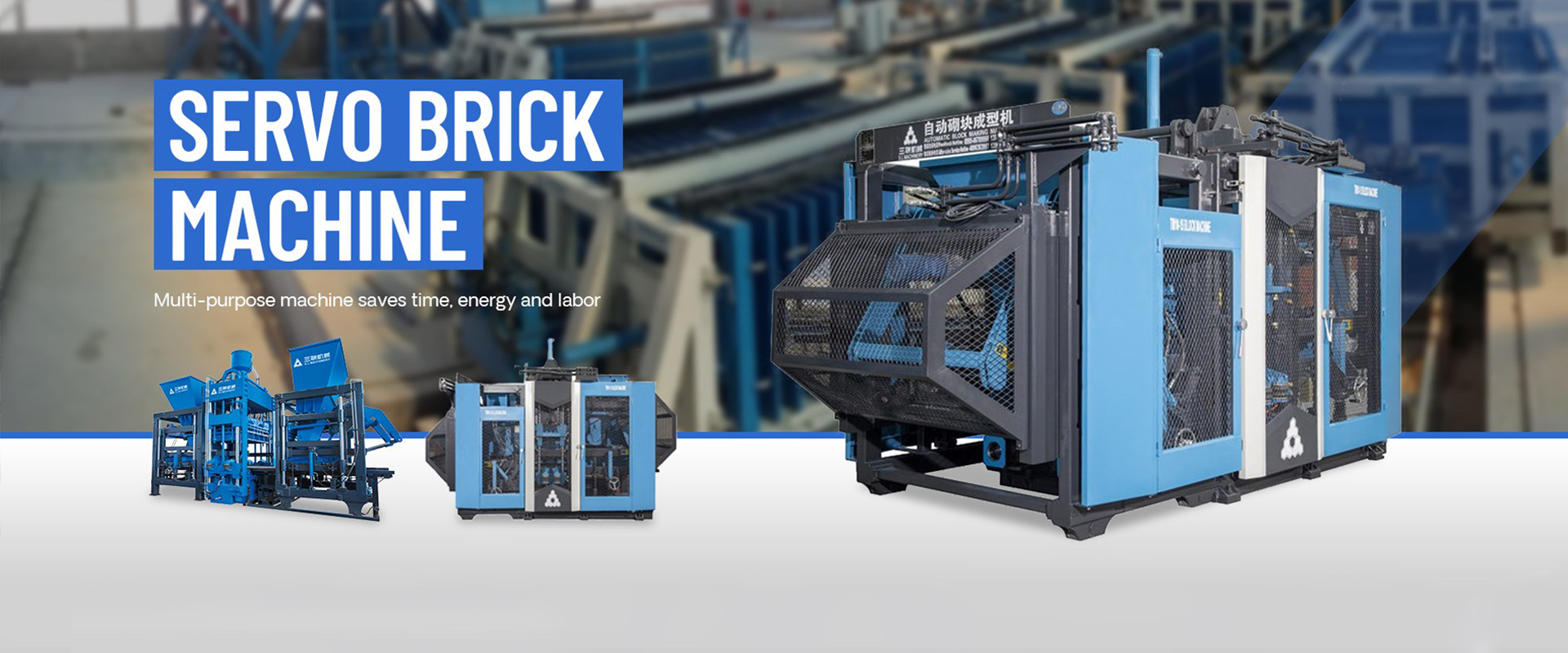
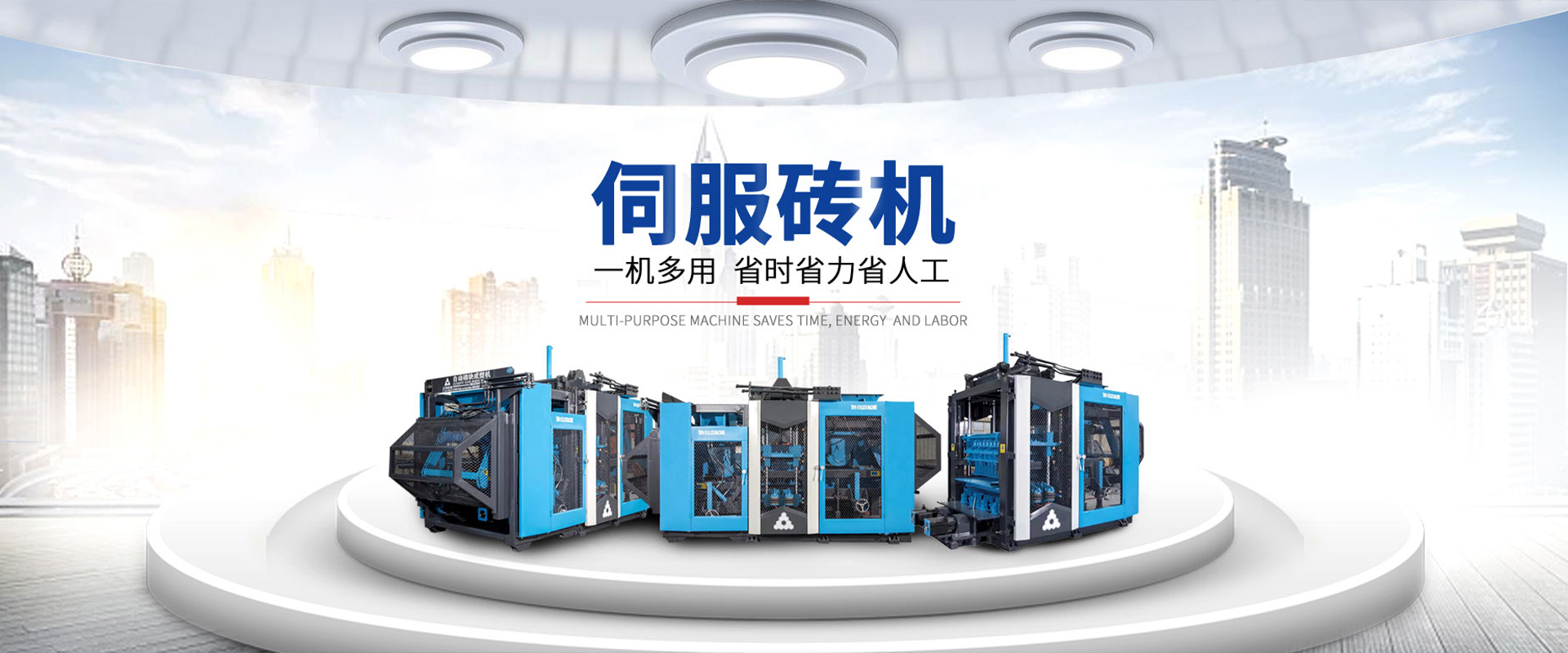
Servo High-Frequency Vibratory Pressing, Forging a Dense Microstructure: After the moisture-laden mixture enters the main machine, the core servo high-frequency vibratory pressing system intervenes. Unlike traditional rigid static pressing, the servo system outputs millisecond-level directional high-frequency excitation force, instantly breaking the internal surface tension of the material. Under intense microscopic resonance, excess capillary water and air are rapidly and forcibly expelled, and coarse and fine aggregates and silt fillers complete extremely dense mechanical interlocking within an extremely short time. The demolded finished product not only features a smooth appearance but also possesses excellent early compressive strength.

Amid today's ever-rising costs of acquiring natural resources, broadening the physical boundaries of raw materials is precisely how enterprises build a solid profit moat. Being able to steadily convert highly difficult-to-process river silt into green building materials that meet national standards is not only the ultimate test of underlying intelligent manufacturing strength but also the core competitiveness for enterprises to transcend traditional involution. S.L Machinery is committed to empowering global customers with robust heavy-duty intelligent equipment to transform from mere "processing manufacturers" into "resource utilization partners" that solve urban ecological pain points, achieving comprehensive value leaps in the vast blue ocean of green infrastructure.


CONTACT
 +86-18859963776
 +86-595-86786132
 allen@sl-machine.com
Copyright © 2024 QUANZHOU CITY SANLIAN MACHINERY MANUFACTURE CO., LTD. All Rights Reserved.