
 English
 العربية
 Español
 Français
 русский
  Português
 Tiếng Việt
 Melayu
 Türkçe
 Indonesia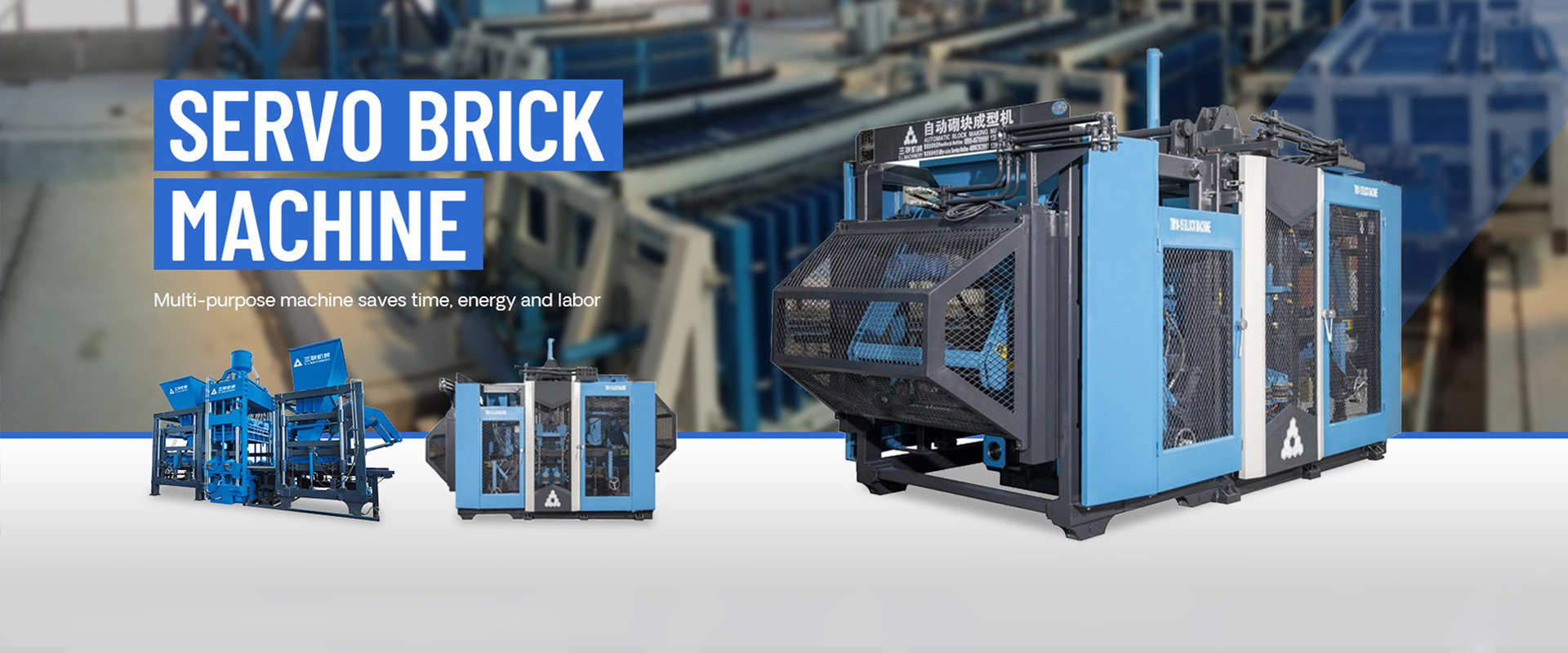
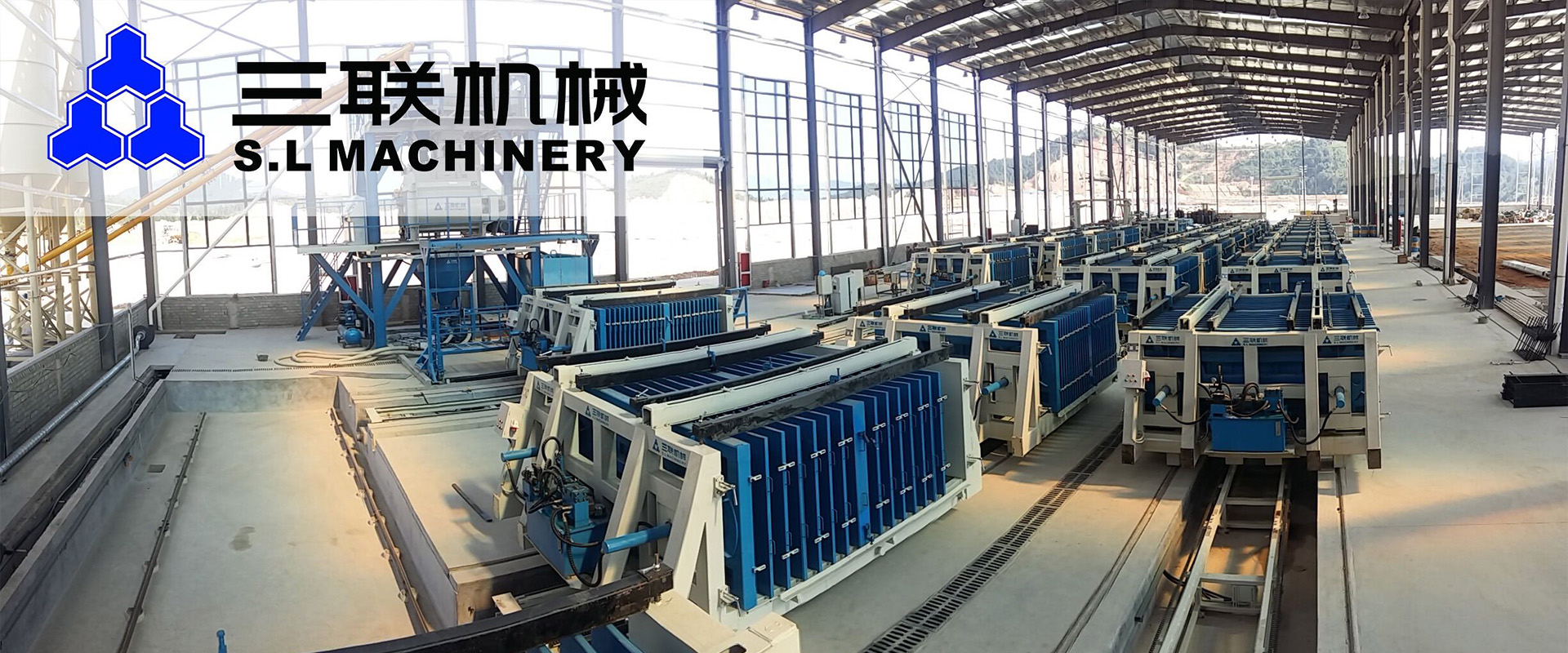
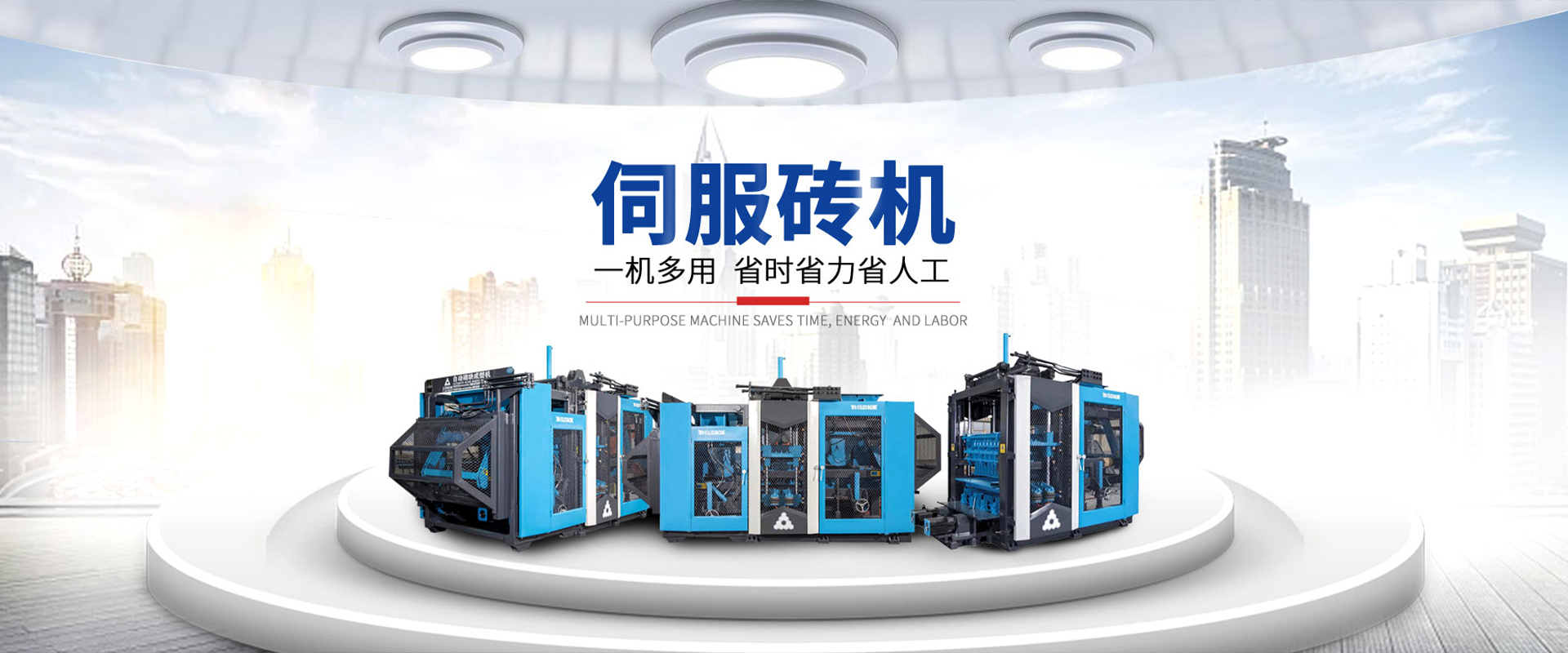
In the building materials manufacturing sector, using construction debris and industrial solid waste to produce bricks is the right direction, but execution is challenging. Given the complex composition and varying water absorption of solid wastes, if the production line’s foundation is not robust enough, the pressed products often fail to meet strength requirements, with rejection rates remaining persistently high.
The true value of heavy equipment often lies in its stability under extreme operating conditions. Today, by deconstructing Quanzhou Sanlian Machinery’s fully automatic eco-friendly brick production line, we examine from an engineering perspective how a pragmatic, modern system, through systematic synergy, consistently converts “waste residues” into high-standard municipal building materials.
1. Front-End “Digestive System”: Non-Compromising Batching and Deep Homogenization
In solid-waste brickmaking, success or failure often hinges on mixing. Without deep homogenization of complex aggregates, even the highest pressing force cannot produce quality bricks. In this easily overlooked stage, Sanlian Machinery demonstrates the rigor of a long-established manufacturer:
Dynamic Weighing Defense Line: Relying on microcomputer control and sensors, the batching station performs dynamic weighing and automatic error compensation for stone powder, waste residues, cement, etc. This design fully accounts for the complex conditions of industrial sites, rigorously locking the critical “water-cement ratio” at the source.
Forced Mixing & Wall-Breaking: To handle waste residues with uneven moisture content, double horizontal shaft compulsory mixer uses high-strength wear-resistant blades for high-speed shearing and extrusion, enabling cement paste to thoroughly coat aggregates at the micro level. This fully activates the waste material’s reactivity, clearing obstacles for subsequent high-pressure forming.
.jpg "图片2(8).jpg")
2. Core “Muscle Power”: Physical “Remolding” by the High-End Servo Vibration-Pressing Integrated Machine
Irregularly shaped solid-waste aggregates with large internal pores pose the ultimate test of a machine’s hard-core capability. S.L Machinery’s solution is its technologically sophisticated high-end servo vibration-pressing integrated machine:
Anti-Fatigue Support of Heavy-Duty Chassis: The greater the vibration-pressing force, the more severe the metal fatigue challenge on the frame. The main frame is fabricated from special high-strength steel and undergoes integral precision milling in large CNC machining centers. This cost-intensive, high-rigidity construction ensures zero deformation under years of high-frequency operation, allowing excitation force to be transmitted vertically without loss.
Millisecond-Level “Vibration-Pressing” Synchronization: Leveraging advanced servo control, motor start/stop response reaches microsecond levels. At the instant of forming, high-frequency directional excitation causes the material to “liquefy” momentarily, filling every dead corner of the mold; combined with the powerful downward pressure of the upper punch, tiny air pores are rapidly expelled. Even with high solid-waste content, the system stably produces high-density, high-strength permeable bricks and imitation stone pavers. Moreover, the servo system’s “on-demand output” characteristic significantly reduces electrical energy consumption during daily operation.
.jpg "图片1(2).jpg")
3. Rear-End “Nervous System & Logistics”: Experience-Free Intelligent Transfer and Curing
An excellent production line requires not only strong individual machine performance but also the ability to safeguard the overall “yield rate.”
Experience-Free Central Control: The PLC intelligent system incorporates an extensive recipe menu for various brick types, allowing production parameters to be switched with one touch. This frees the brick plant from over-reliance on the personal experience of “veteran operators,” enabling standardized production.
Damage-Free Transfer of Green Bricks: Freshly pressed green bricks, despite good density, still require careful handling. Sanlian Machinery equips the line with a fully automatic transfer and curing system, where intelligent “mother-child” shuttle cars and other logistics equipment transport green bricks to curing kilns along smooth acceleration/deceleration paths. This “never-touch-the-ground” automated closed-loop eliminates the bumping risks associated with traditional forklift handling, firmly securing the actual finished-product rate of the entire production line.

From chaotic municipal solid waste to high-standard eco-friendly building materials, success relies not on parameter stacking, but on the deep integration of materials science, machining, and automation control. With this robust and finely tuned automation system, Quanzhou Sanlian Machinery not only delivers a clear “cost-reduction & efficiency-enhancement” business case for building-material enterprises, but also demonstrates the profound expertise and pragmatic spirit of China’s high-end equipment manufacturing in addressing real-world industrial challenges.


CONTACT
 +86-18859963776
 +86-595-86786132
 allen@sl-machine.com
Copyright © 2024 QUANZHOU CITY SANLIAN MACHINERY MANUFACTURE CO., LTD. All Rights Reserved.