
 English
 العربية
 Español
 Français
 русский
  Português
 Tiếng Việt
 Melayu
 Türkçe
 Indonesia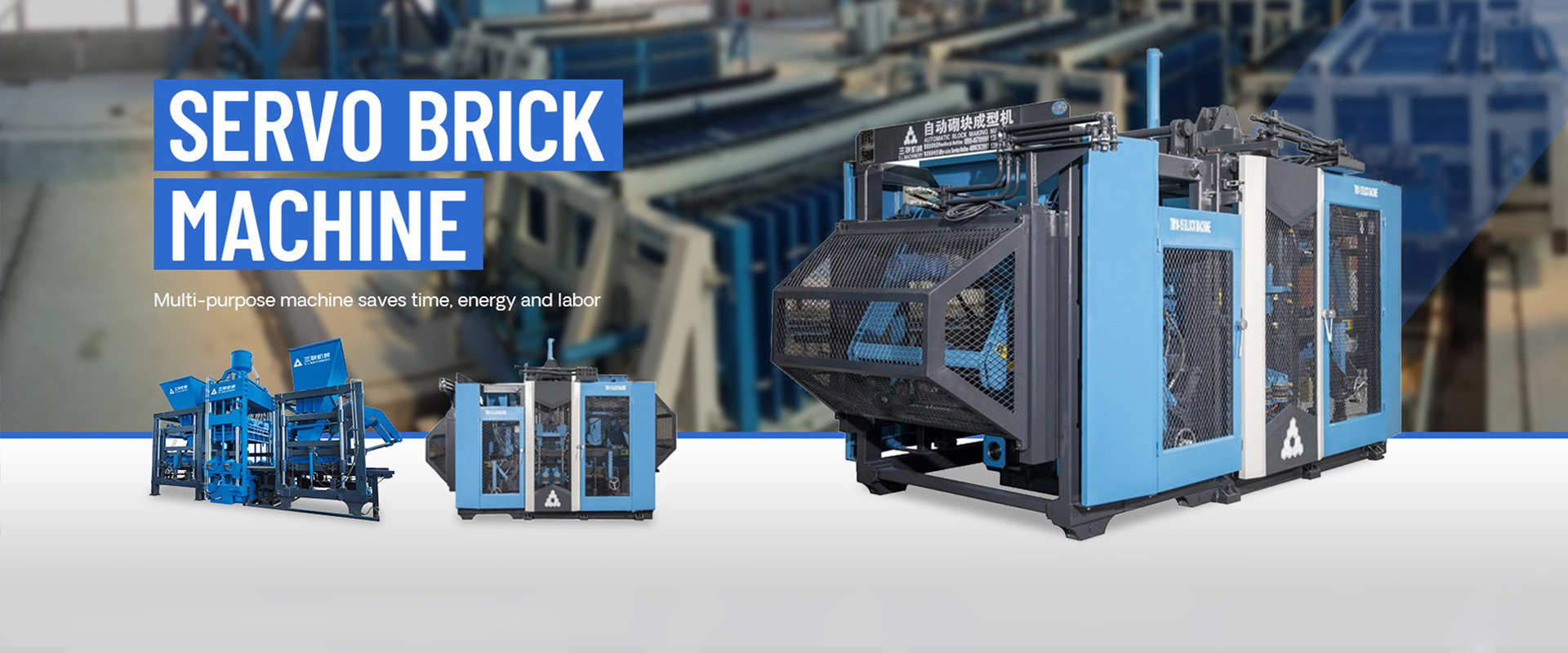
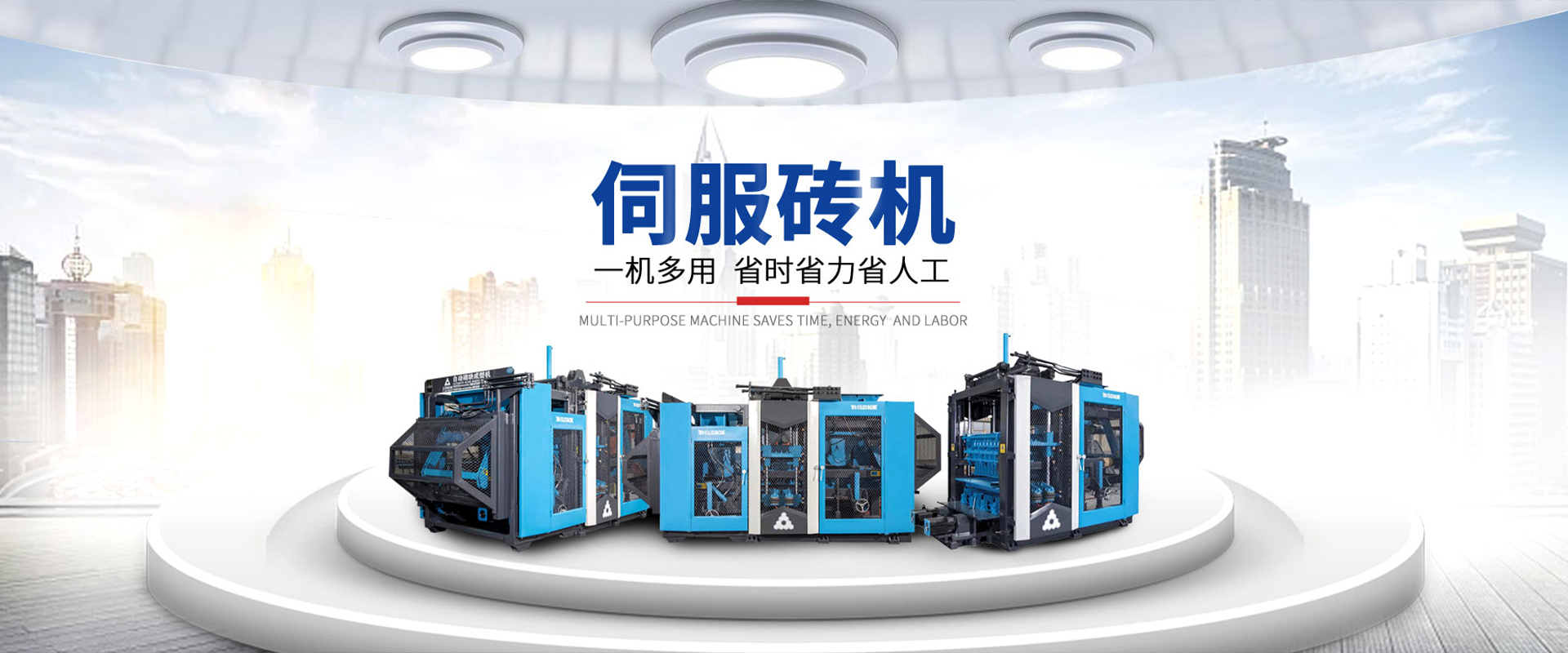
During the development of brick making technology, servo brick-making technology has gradually replaced traditional brick making technology and become the mainstream choice for intelligent brick production. When many brick-making enterprises upgrade their equipment, they often hesitate between choosing servo brick-making equipment and traditional brick-making equipment. In fact, there are huge differences between the two in terms of molding efficiency, energy consumption cost, product quality, and equipment stability. Today, we will make a detailed comparison for you to clearly understand the differences between the two.
Molding efficiency: Servo brick-making is highly efficient and fast, while traditional brick-making is inefficient: Traditional brick-making technology uses ordinary motors for drive, with fixed vibration molding frequency and intensity, resulting in a long molding cycle and low output per unit time. Moreover, the equipment starts and stops slowly, making it difficult to achieve continuous and efficient production, and prone to capacity bottlenecks.
The servo brick-making technology, driven by servo motors, can achieve short-cycle and high-efficiency vibration molding. The vibration frequency and intensity can be precisely controlled, significantly reducing the molding cycle and increasing the output per unit time by more than 30% compared to traditional brick-making technologies. Meanwhile, the equipment starts up quickly and stops promptly, enabling continuous and stable production, effectively releasing production capacity and meeting market order demands.
Product Quality: Servo-controlled Brick Making for Precise Shape Control: Traditional brick-making technology has low precision in vibration molding control, which often leads to quality issues such as cracks, unevenness, dimensional deviations, and corner damages in the bricks. The product qualification rate is low, and the quality consistency is poor. In contrast, servo-controlled brick making technology uses a precise servo system for regulation, achieving precise control over vibration compaction. The vibration frequency, intensity, and duration can all be precisely adjusted, effectively avoiding various quality defects. This ensures that the bricks have accurate dimensions, regular shapes, uniform strength, and core indicators such as compressive resistance and frost resistance exceed industry standards. The product qualification rate can be increased to over 98%, with good quality consistency, significantly enhancing the market acceptance of the products.
Equipment stability: The servo brick-making operation is smooth and stable, while traditional brick making is prone to frequent malfunctions:Traditional brick making equipment has more mechanical transmission components, resulting in high friction and rapid wear during operation. This makes the equipment prone to faults, and the maintenance is difficult, requiring frequent shutdowns for repairs, which affects production progress. In contrast, the servo drive system of servo brick-making equipment operates more smoothly, with less mechanical wear. Combined with the stable design of the integral cast frame, the operational stability of the equipment is significantly enhanced, and the probability of faults is greatly reduced. Additionally, servo brick-making equipment has a higher degree of intelligence, enabling fault warnings and remote diagnosis, facilitating timely handling of equipment issues and ensuring the long-term stable operation of the production line.
Manual Dependency: Servo brick-making automation, high labor costs in traditional brick-making: Traditional brick making techniques require a large number of workers to handle raw material transportation, proportion control, equipment operation, and brick blank arrangement, etc. It has a high degree of manual dependency and high labor costs. Moreover, manual operation is prone to production errors, affecting product quality. In contrast, servo brick-making technology can be combined with intelligent production lines to achieve fully automated operation throughout the process, from raw material proportioning to finished product stacking, with precise control throughout. This significantly reduces manual intervention, lowers labor costs, and simultaneously enhances production efficiency and the consistency of product quality.
From molding efficiency to energy consumption costs, from product quality to equipment stability, from reliance on manual labor to the level of intelligence, servo brick-making technology outperforms traditional brick-making technology in all aspects. For brick-making enterprises, choosing servo brick-making equipment is the key to achieving increased production capacity, quality improvement, and cost reduction. It is also an inevitable choice to conform to the intelligent and green development trends of the industry.
Equipment stability: The servo brick-making operation is smooth and stable, while traditional brick making is prone to frequent malfunctions:Traditional brick making equipment has more mechanical transmission components, resulting in high friction and rapid wear during operation. This makes the equipment prone to faults, and the maintenance is difficult, requiring frequent shutdowns for repairs, which affects production progress. In contrast, the servo drive system of servo brick-making equipment operates more smoothly, with less mechanical wear. Combined with the stable design of the integral cast frame, the operational stability of the equipment is significantly enhanced, and the probability of faults is greatly reduced. Additionally, servo brick-making equipment has a higher degree of intelligence, enabling fault warnings and remote diagnosis, facilitating timely handling of equipment issues and ensuring the long-term stable operation of the production line.
Manual Dependency: Servo brick-making automation, high labor costs in traditional brick-making: Traditional brick making techniques require a large number of workers to handle raw material transportation, proportion control, equipment operation, and brick blank arrangement, etc. It has a high degree of manual dependency and high labor costs. Moreover, manual operation is prone to production errors, affecting product quality. In contrast, servo brick-making technology can be combined with intelligent production lines to achieve fully automated operation throughout the process, from raw material proportioning to finished product stacking, with precise control throughout. This significantly reduces manual intervention, lowers labor costs, and simultaneously enhances production efficiency and the consistency of product quality.
From molding efficiency to energy consumption costs, from product quality to equipment stability, from reliance on manual labor to the level of intelligence, servo brick-making technology outperforms traditional brick-making technology in all aspects. For brick-making enterprises, choosing servo brick-making equipment is the key to achieving increased production capacity, quality improvement, and cost reduction. It is also an inevitable choice to conform to the intelligent and green development trends of the industry.



CONTACT
 +86-18859963776
 +86-595-86786132
 allen@sl-machine.com
Copyright © 2024 QUANZHOU CITY SANLIAN MACHINERY MANUFACTURE CO., LTD. All Rights Reserved.